

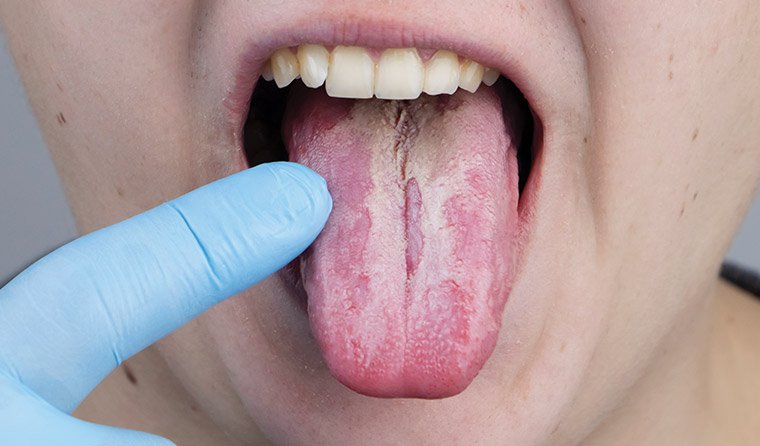
Tongue cancer is a type of oral cancer that can develop on the visible part of the tongue or near the base of the tongue, closer to the throat. Since the tongue is involved in speaking, chewing, swallowing, taste, and mouth movement, any persistent change should be taken seriously. Early detection can make treatment planning clearer and may help preserve important functions.
Checking the tongue at home is a useful habit, especially for people who use tobacco, chew areca nut or gutkha, drink alcohol regularly, have poor oral hygiene, or have a past history of oral lesions. However, a home check cannot diagnose cancer. It can only help a person notice changes early and seek medical advice. Anyone with persistent symptoms should consult a doctor experienced in Tongue Cancer Treatment in Mumbai for proper examination and diagnosis.
Why the Tongue Should Be Checked Regularly
The tongue is easy to see in a mirror, but many people do not inspect it carefully. Small ulcers, red patches, white patches, thickened areas, or changes in movement may be ignored until they begin to affect eating or speech.
According to the NHS, mouth cancer symptoms can include a mouth ulcer lasting more than three weeks, a red or white patch, a lump, pain, difficulty swallowing, difficulty speaking, a hoarse voice, a lump in the neck, or unexplained weight loss. These symptoms can affect the tongue, gums, inner cheeks, lips, or other parts of the mouth.
Regular self-checks are especially useful because early changes may not always be painful. A painless ulcer or patch can still need medical evaluation.
When to Do a Self-Check
A simple tongue and mouth self-check can be done once a month. It should be done in good light, preferably in front of a clean mirror. The hands should be washed properly before touching the mouth. If possible, use a small torch or the light from a phone to see the sides and underside of the tongue clearly.
People who use dentures should remove them before checking. Dentures can hide sores or areas of irritation. They can also cause pressure points that need attention.
A self-check should take only a few minutes, but it should be done patiently.
Step 1: Look at the Surface of the Tongue
Begin by opening the mouth and looking at the top surface of the tongue. Notice the colour, texture, and any visible swelling. A healthy tongue may vary in appearance from person to person, and minor coating can occur due to food, dehydration, or oral hygiene habits.
Look for red patches, white patches, ulcers, cracks, thickened areas, bleeding spots, or unusual growths. The National Cancer Institute lists a white or red patch on the tongue or in the mouth, along with bleeding, pain, or numbness in the lip or mouth, among symptoms that should not be ignored.
A patch that has appeared recently and does not improve should be checked. A patch that bleeds, grows, becomes painful, or feels hard needs prompt evaluation.
Step 2: Check Both Sides of the Tongue
Many tongue cancers develop on the side border of the tongue. This area can be missed during a casual look. To check it, gently move the tongue to one side and look along the opposite edge. Then repeat on the other side.
You may use clean fingers or a clean piece of gauze to hold the tip of the tongue gently and move it from side to side. Do not pull forcefully. Look for ulcers, colour changes, rough areas, lumps, or areas that feel harder than the surrounding tissue.
The Mouth Cancer Foundation’s self-examination guidance advises checking the tongue carefully, including looking at one side, then the other, and feeling for swelling or changes. If one side looks very different from the other without a clear reason, it is worth getting checked.
Step 3: Look Under the Tongue
Lift the tongue upward and look at the underside. Also check the floor of the mouth, which is the soft area below the tongue. This region can show ulcers, red or white patches, swelling, or unusual veins and lumps.
Some people notice discomfort in this area while eating spicy food, brushing, or moving the tongue. Others may feel a tightness or pulling sensation. These symptoms are not always cancer, but persistent changes should not be ignored.
If there is bleeding without injury, numbness, a hard lump, or an ulcer that does not heal, a medical consultation is necessary.
Step 4: Feel for Lumps or Hard Areas
Visual inspection is useful, but touch can also help. After washing the hands, gently feel the tongue, inner cheeks, gums, and floor of the mouth. A cancerous lesion may sometimes feel firm, thickened, or fixed compared with nearby tissue.
Do not press too hard. The aim is only to notice unusual hardness, swelling, tenderness, or a lump. If a painful area is present, avoid repeated touching and consult a doctor.
A lump does not always mean cancer. It may be due to injury, infection, salivary gland problems, or other causes. However, a persistent lump should be evaluated.
Step 5: Check Tongue Movement and Speech
Tongue cancer may sometimes affect movement. Notice whether the tongue moves freely from side to side and whether it can touch different parts of the mouth without pain. Difficulty moving the tongue, difficulty speaking clearly, or a feeling that the tongue is restricted should be assessed.
The National Institute of Dental and Craniofacial Research notes that oral cancer symptoms may include difficulty chewing, swallowing, speaking, or moving the jaw or tongue. These symptoms are important because they may indicate that a lesion is affecting deeper tissues or nearby structures.
Step 6: Check the Neck
Tongue cancer and other oral cancers can sometimes spread to lymph nodes in the neck. During a self-check, gently feel both sides of the neck and under the jaw for lumps or swelling. Compare one side with the other.
A neck lump can occur due to infection, dental problems, or other conditions. However, a persistent, painless, or enlarging lump should not be ignored, especially if it occurs along with mouth symptoms.
Warning Signs That Need Medical Attention
A tongue ulcer that lasts more than three weeks should be examined. Other warning signs include a red or white patch, unexplained bleeding, persistent pain, numbness, a hard lump, difficulty swallowing, difficulty speaking, ear pain on one side, reduced tongue movement, or a lump in the neck.
Do not wait for severe pain. Some early cancers may be painless. Do not repeatedly apply home remedies to a persistent ulcer without diagnosis. This can delay treatment.
Who Should Be Extra Careful?
People who smoke, chew tobacco, use gutkha, chew areca nut, drink alcohol regularly, or have a history of oral submucous fibrosis should be extra careful. People with sharp teeth, ill-fitting dentures, poor oral hygiene, or previous oral lesions should also attend regular dental or medical check-ups.
Those looking for a Tongue Cancer Doctor in Mumbai should seek evaluation from a specialist who can examine the lesion properly, advise biopsy when needed, and guide the next steps.
Conclusion
Detecting tongue cancer early at home begins with awareness. A monthly self-check can help identify ulcers, patches, lumps, bleeding, numbness, movement changes, or neck swelling before they are ignored for too long. However, self-checking is only a screening habit, not a diagnosis.
Any tongue or mouth change that persists beyond two to three weeks should be examined by a qualified doctor or dentist. Timely evaluation can help patients understand the cause and begin appropriate care without unnecessary delay.