

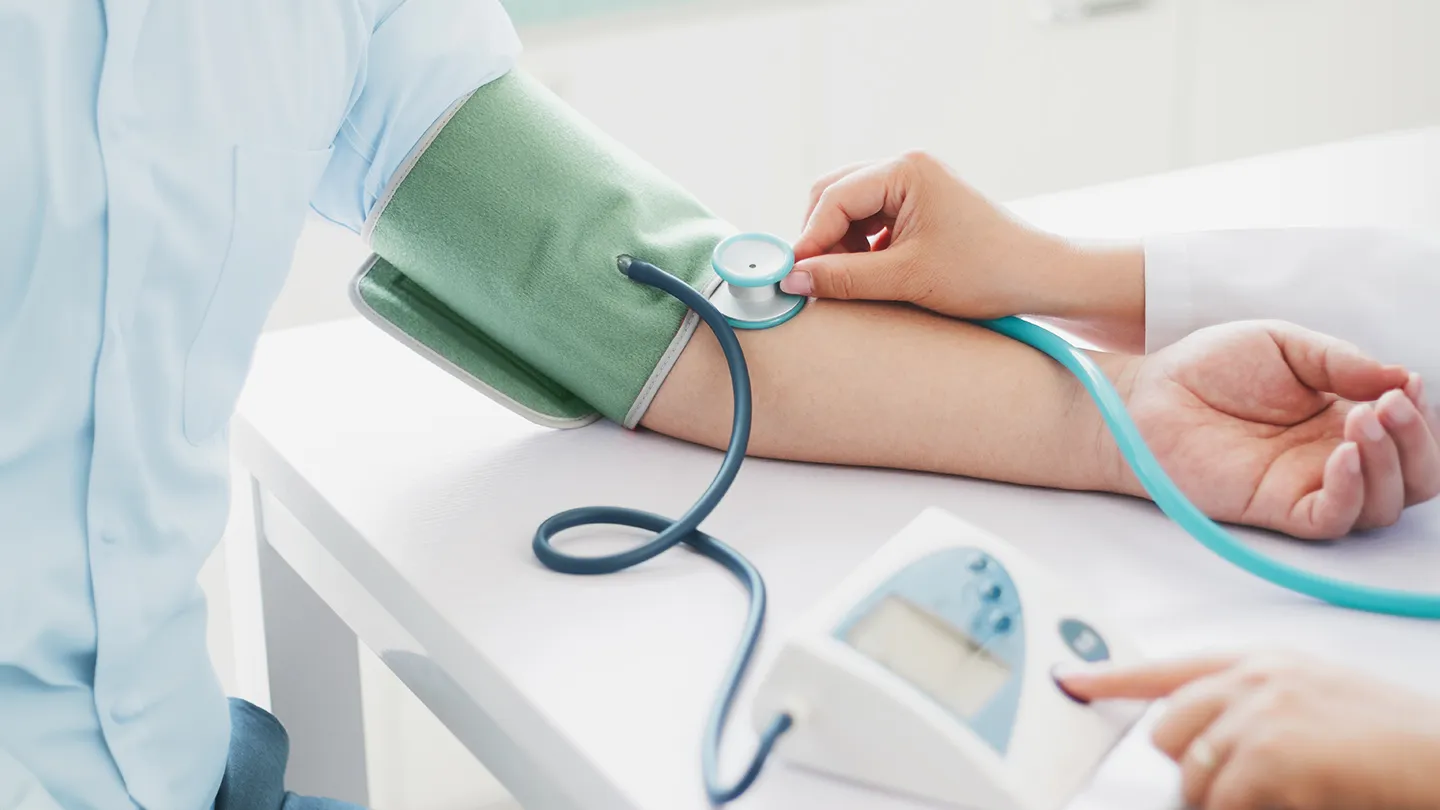
Research shows that high blood pressure is a major risk factor for heart disease and stroke. It can damage blood vessels and make the heart work harder over time. Read a medical overview here: PubMed hypertension and cardiovascular risk article.
High blood pressure is often called a silent condition because many people do not feel symptoms. A person may look healthy but still have high pressure inside the arteries.
When blood pressure stays high, the heart has to pump against extra force. Over time, the heart muscle may become thick or weak. Blood vessels may also become stiff or damaged.
High blood pressure can increase the risk of heart attack, stroke, kidney disease, eye problems and heart failure. This is why regular checking is important.
Lifestyle steps can help. These include reducing excess salt, staying active, managing weight, avoiding tobacco, limiting alcohol, sleeping well and taking medicines as advised.
Medicines should not be stopped when readings become normal. Normal readings may mean the medicine is working. Stopping suddenly can be dangerous.
Home blood pressure machines can be useful, but they must be used correctly. Sit quietly, keep the arm supported and record readings. Show the record to your doctor.
Madhavbaug provides information on heart and lifestyle disease care for readers who want to understand structured care options. Suitability should be discussed with a qualified doctor.
High blood pressure is manageable. The key is regular monitoring, safe treatment and long-term routine.
Organisation resource: Madhavbaug
Medical note: Seek urgent help for chest pain, severe headache, weakness on one side, confusion, fainting, severe breathlessness or very high blood pressure with symptoms.
