

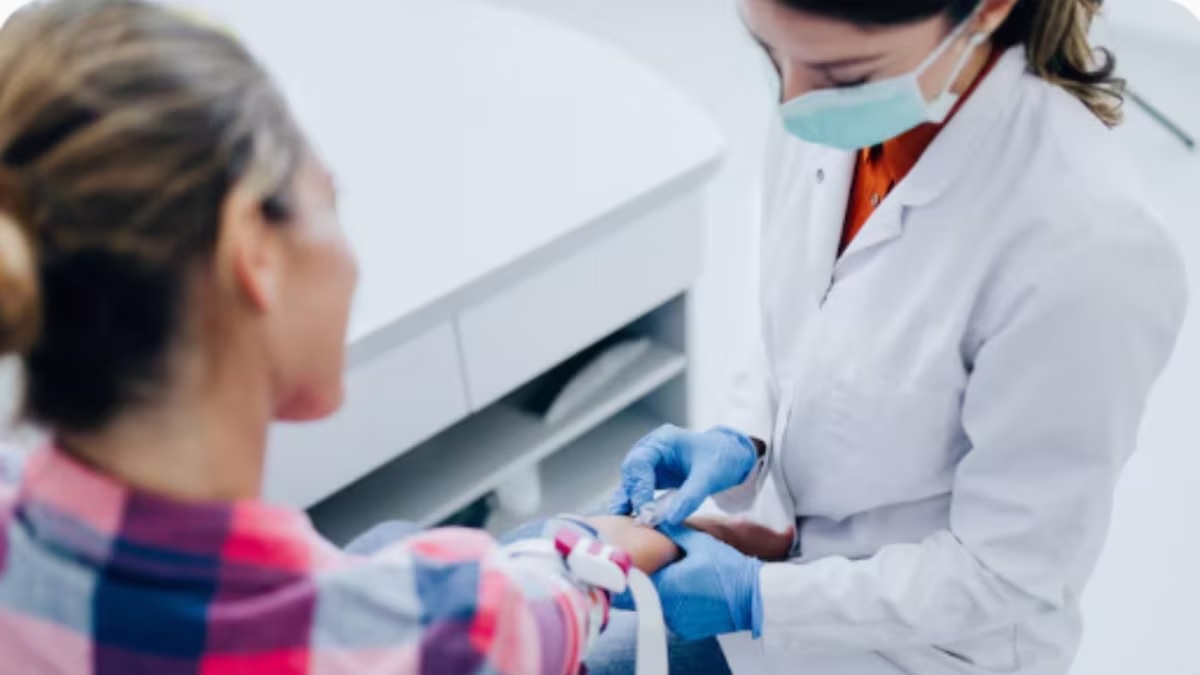
Cancer screening is one of the most practical ways to detect certain cancers early. Screening means checking for cancer before symptoms appear. This matters because some cancers can remain silent in the early stages, while treatment may be more effective when the disease is found earlier.
The phrase “by 40” should be understood carefully. It does not mean every person needs every cancer test at exactly 40. Screening depends on age, gender, family history, lifestyle, symptoms, previous test results, and risk factors. However, by the age of 40, every Indian adult should have a proper discussion with a doctor about cancer risk and which screenings are suitable.
Here are 10 cancer screening tests and checks that adults should know about.
- Clinical breast examination
Women should be aware of breast changes such as a lump, nipple discharge, skin dimpling, nipple pulling inward, swelling, or unexplained pain. A clinical breast examination by a doctor can help identify concerning changes and decide whether imaging is needed.
Women with a family history of breast cancer may need earlier evaluation. Do not wait for pain, because many breast cancers may not cause pain in the beginning.
- Mammography
Mammography is an X-ray of the breast used to detect early breast cancer changes. The starting age and frequency should be decided based on risk. Women with average risk may begin screening later than women with strong family history or genetic risk, but the discussion should begin earlier.
If your mother, sister, or daughter had breast cancer, especially at a younger age, tell your doctor. You may need a more personalized screening plan.
- Cervical cancer screening
Cervical cancer is one of the cancers where screening can make a major difference. Screening may include Pap smear, HPV testing, or a combination, depending on age and medical advice.
Women should not avoid cervical screening because they feel healthy. Early cervical changes may not cause symptoms. Screening can detect changes before they progress.
Women should ask their doctor about screening frequency, HPV vaccination for eligible age groups, and follow-up if a test is abnormal.
- Oral cancer screening
Oral cancer is a major concern in India because tobacco chewing, smoking, gutkha, pan masala, and alcohol use can increase risk. A doctor or dentist can examine the mouth, tongue, gums, cheeks, and throat for suspicious patches, ulcers, or growths.
Warning signs include a mouth ulcer that does not heal, red or white patches, bleeding, difficulty chewing, difficulty swallowing, jaw stiffness, or a lump in the neck. Tobacco users should not wait for severe symptoms before getting checked.
- Colorectal cancer screening
Colorectal cancer affects the colon and rectum. Screening may include stool tests, colonoscopy, or other methods depending on risk and availability. Many international guidelines recommend regular colorectal screening from age 45 for average-risk adults. People with family history, inflammatory bowel disease, blood in stool, unexplained weight loss, or long-term bowel habit changes may need earlier evaluation.
Symptoms such as persistent constipation, diarrhea, bleeding, anemia, or abdominal pain should be discussed with a doctor.
- Prostate cancer discussion and PSA test
Men should speak to a doctor about prostate cancer risk, especially if there is family history or urinary symptoms. The PSA blood test may be used in selected cases, but it should be interpreted carefully because high PSA can happen due to cancer, infection, prostate enlargement, or inflammation.
Common symptoms that need evaluation include frequent urination, weak urine flow, difficulty starting urination, blood in urine, or night-time urination. Screening decisions should be made after understanding benefits, limitations, and possible next steps.
- Lung cancer risk evaluation
Lung cancer screening is usually considered for people with significant smoking history or other high-risk exposures. It is not a routine test for every adult. A doctor may suggest low-dose CT screening for eligible high-risk individuals.
Smokers, former smokers, and people with repeated exposure to smoke, pollutants, or occupational hazards should discuss risk assessment. Warning signs include persistent cough, coughing blood, chest pain, unexplained weight loss, and breathlessness.
- Skin and mole examination
Skin cancer is less commonly discussed in India, but unusual skin changes should still be checked. A doctor should examine moles or patches that change in size, shape, colour, or bleed. Non-healing wounds, especially in sun-exposed areas, should also be evaluated.
People with high sun exposure, previous radiation exposure, family history, or unusual moles should be more alert.
- Liver cancer risk checks for high-risk patients
Liver cancer screening is usually considered for people with higher risk, such as chronic hepatitis B, hepatitis C, cirrhosis, heavy alcohol-related liver disease, or certain long-term liver conditions. Tests may include ultrasound and blood tests as advised by a doctor.
Adults should also know their hepatitis status if they have risk factors. Vaccination, early diagnosis, and proper liver care can reduce complications.
- Cancer risk review based on family history
This is often forgotten, but it may be the most important step by 40. Make a family history list before visiting your doctor. Mention cancers in parents, siblings, grandparents, uncles, aunts, and children. Also note the age at diagnosis.
A strong family history may change the screening plan. Some people may need earlier tests, genetic counselling, or closer follow-up.
How to prepare for a cancer screening consultation
Carry previous reports, medicine lists, family history, tobacco and alcohol history, and any symptoms you have noticed. Be honest about habits. Doctors ask these questions to assess risk, not to judge.
Ask which screenings are suitable for your age and risk level. Also ask how often tests should be repeated and what the next step would be if a result is abnormal.
For patients looking for an oncology hospital in bangalore or searching for an oncology hospital near me, Cura Hospitals provides oncology evaluation and cancer-related care in Bangalore.
Final thoughts
Cancer screening should be guided by risk, not fear. By 40, every adult should know which cancers they may be at risk for and which tests are worth discussing with a doctor. Early awareness, timely screening, and proper follow-up can help families make better healthcare decisions.
