

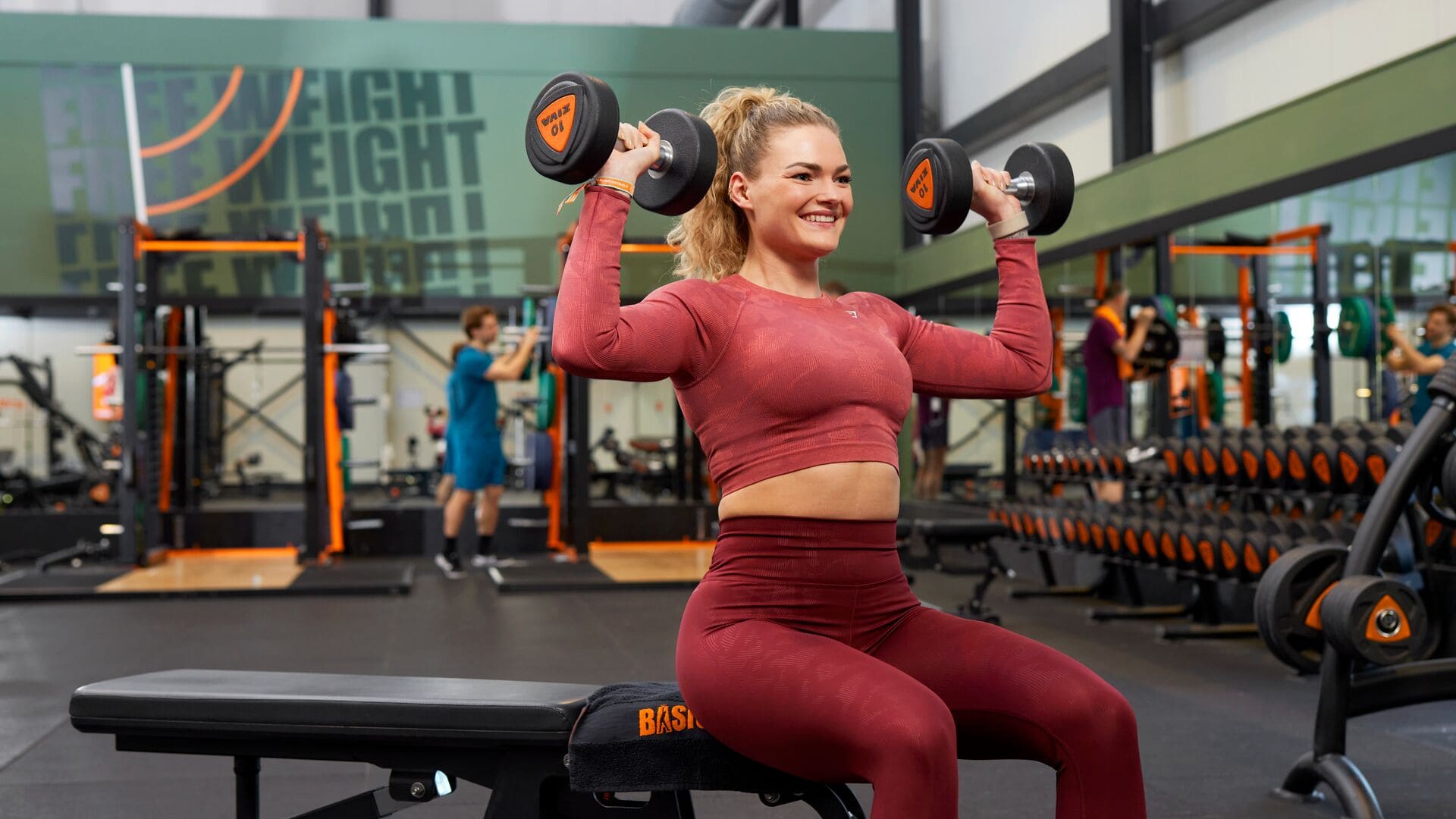
Most people walk into a gym and notice the equipment. Very few stop to consider the design of the space itself: the layout, the lighting, the acoustics, the airflow. Yet research into environmental psychology and exercise science consistently shows that how a training space is built has a measurable effect on the effort people produce inside it.
Singapore has developed a sophisticated gym culture over the past decade, and the best gym in Singapore options reflect that sophistication in how spaces are designed. The decisions made at the architectural and operational level, before a member ever steps onto the floor, shape every session that follows.
Lighting and Its Effect on Effort
Lighting is one of the most underestimated variables in gym design. Bright, cool-toned lighting in strength training areas stimulates alertness and keeps arousal levels elevated, which supports heavier lifting and sustained output. Dimmer, warmer lighting in recovery or stretching zones reduces cortisol and promotes parasympathetic relaxation.
Gyms that apply uniform lighting across the entire facility miss this entirely. A squat platform lit the same way as a cooldown mat creates a sensory mismatch that subtly undermines both training and recovery.
The most thoughtfully designed Singapore gyms use lighting intentionally, bright and directional in high-intensity zones, softer in areas designed for mobility and restoration work.
Acoustics and Music Architecture
Sound shapes pace. Studies on music tempo and exercise output show that higher beats-per-minute music increases effort and reduces perceived exertion during moderate to high intensity activity. In group fitness settings, the effect is amplified by the social dimension: when everyone in a class responds to the same audio cues, collective output rises.
This is not just about playing loud music. It is about acoustic design: how sound travels through a space, whether it becomes muddy or distorted at volume, and whether instructor cueing remains clear above the track.
Premium studios invest in professional audio installation, often including tuned speaker placement and acoustic panels that manage sound reflection. The difference is immediately noticeable and directly affects how hard you push during a class.
Floor Layout and Traffic Flow
The layout of a gym floor determines whether training sessions flow smoothly or are constantly interrupted by congestion, detours, and equipment unavailability.
A well-planned layout separates high-movement functional training areas from fixed-machine zones, ensuring that people doing dynamic circuits are not cutting through spaces where others are performing slow, controlled movements. Free weight areas need sufficient depth between benches and racks to allow safe movement without crowding.
In Singapore’s urban gym context, where real estate is expensive and floor space is limited, good layout design becomes even more critical. Gyms that maximise usability per square metre, through smart equipment selection and thoughtful traffic flow planning, deliver a better session experience than larger but poorly planned facilities.
Temperature and Ventilation
Training raises core body temperature. Without adequate ventilation and climate control, this becomes a performance limiter rather than just a comfort issue. As core temperature rises beyond optimal levels, power output drops and perceived exertion increases.
Singapore’s tropical climate means that gym HVAC systems are working against ambient heat and humidity year-round. Gyms that maintain consistent, cool airflow across the training floor reduce heat stress during sessions and allow members to sustain higher output for longer.
The best gym in Singapore will have invested in proper commercial-grade climate control, not the minimal cooling that keeps complaints at bay but the system that genuinely supports performance.
Mirror Placement and Visual Feedback
Mirrors serve a functional role in gym design beyond aesthetics. Positioned correctly in strength training areas, they allow real-time form checking without interrupting movement flow. This is particularly valuable during compound lifts where small positional errors accumulate into injury risk over time.
Poorly placed mirrors, or gyms that omit them entirely in strength areas, remove a key self-monitoring tool. The visual feedback loop is especially important for members who train without a personal trainer for most of their sessions.
Recovery Zones as Intentional Design Elements
A gym that treats recovery as an afterthought reveals something about its training philosophy. Stretching mats pushed into a corner near the exit, foam rollers stored where they are inconvenient to reach, no dedicated mobility space: these design choices communicate that recovery is not a priority.
Leading Singapore gyms are integrating recovery zones as deliberate design features: dedicated areas with appropriate equipment, proper spacing, and the right ambient conditions to support the parasympathetic response. This reflects an understanding that adaptation happens during recovery, not just during training.
FAQ
Does the size of a gym floor really affect my workout?
Yes, but not in the way most people assume. Larger is not inherently better. A well-planned smaller floor with logical equipment placement and proper spacing will support better training than a vast, poorly organised space that creates unnecessary movement between stations.
Why do some gyms feel more motivating than others even with similar equipment?
Environmental psychology plays a significant role. Lighting, acoustics, temperature, and the energy of people around you all contribute to arousal and motivation levels. Gyms that design these elements thoughtfully produce a consistent lift in perceived energy and effort.
Is ventilation more important than air conditioning in Singapore’s climate?
Both matter, but ventilation quality, meaning the actual circulation and replacement of air, has a more direct effect on performance than simply lowering temperature. Stale air with low oxygen turnover increases perceived exertion even in a cool room.
Should I factor gym design into my membership decision?
Absolutely. Design elements affect your training output every single session. Over a year of membership, the cumulative difference between a well-designed facility and a poorly designed one is significant.
TFX Singapore is a gym that has approached space design with deliberate attention to how the environment serves performance, from studio acoustics through to floor layout and recovery facilities.
