

Introduction
In the fast-paced world we live in, stress has become a common companion in the workplace. However, certain professions bear a disproportionately higher burden of stress, often leading to severe mental health issues, including burnout. This article delves into these high-stress professions, the mental health challenges they pose, preventive strategies and treatment for burnout.
Most Stressful Professions Leading to Mental Health Issues, including Burnout
- Healthcare Professionals
Challenges: Long hours, life-and-death decisions, emotional strain of patient care.
Burnout Signs: Emotional exhaustion, reduced accomplishment feeling, depersonalisation.
- Emergency Responders (Police, Firefighters, Paramedics)
Challenges: High-risk situations, exposure to traumatic events, irregular hours.
Burnout Signs: Hyper-vigilance, emotional numbness, PTSD symptoms.
- Teachers and Educators
Challenges: High expectations, workload pressure.
Burnout Signs: Fatigue, cynicism towards work, feelings of inadequacy.
- Corporate Employees (Especially in High-Tech and Finance)
Challenges: Intense competition, long work hours, constant pressure to perform.
Burnout Signs: Chronic stress, anxiety, detachment from work.
- Social Workers and Counselors
Challenges: Emotional intensity of cases, high caseloads, vicarious trauma.
Burnout Signs: Compassion fatigue, decreased motivation, emotional exhaustion.
What is Burnout?
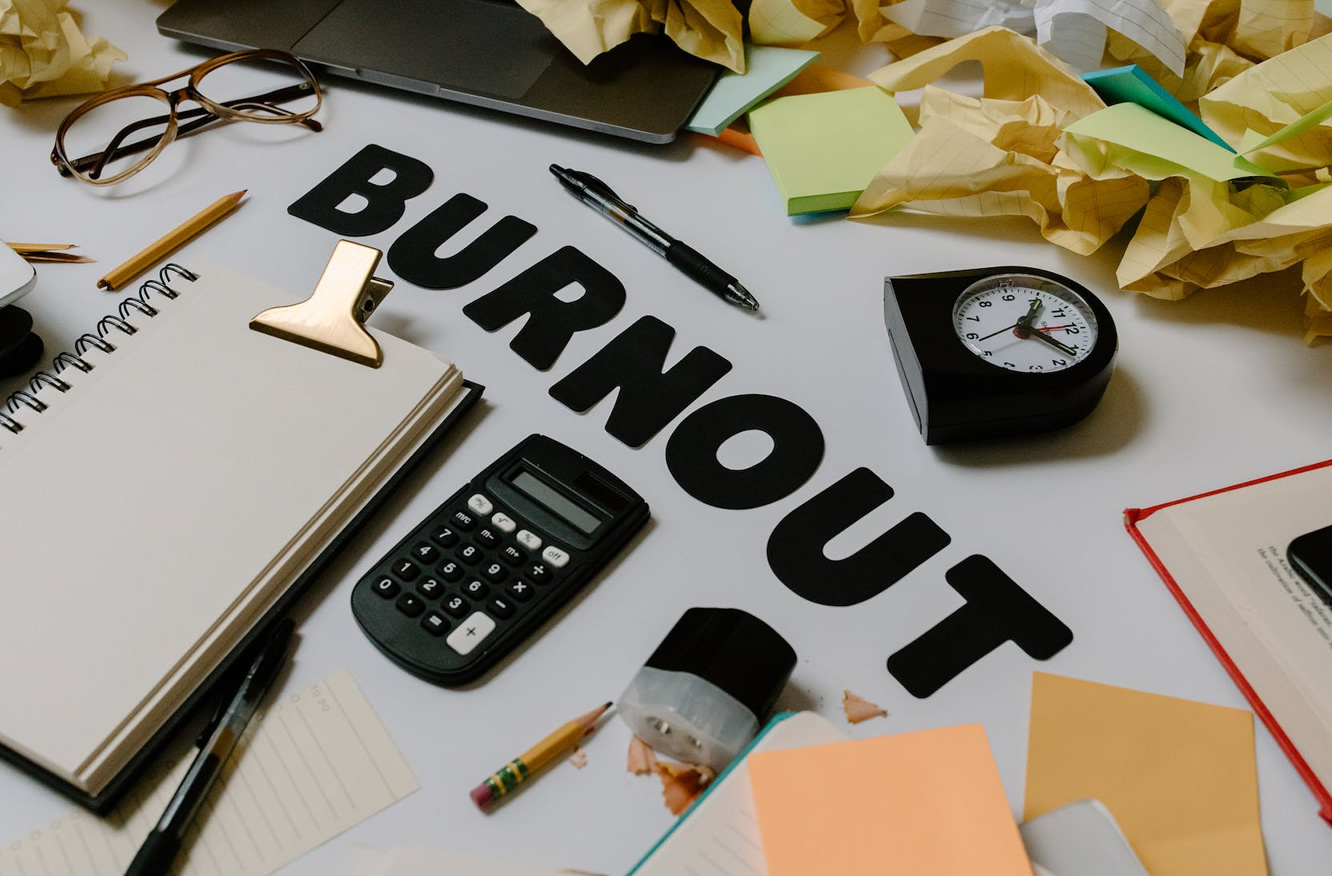
Burnout can be defined as a state of emotional, physical, and mental exhaustion caused by excessive and prolonged stress. It can severely impact an individual’s health, happiness, and job performance.
Prevention of Burnout and Coping Mechanisms
Setting Boundaries: Learning to say no and managing workload effectively. Defining clear boundaries between work and personal life is crucial for prevention and recovery for those who are already suffering symptoms of burnout.
Regular Exercise and Healthy Eating: A natural antidote to stress; activities like walking, swimming, yoga can be particularly helpful. Eating a healthy diet can also boost your mood and energy levels, improving overall well-being.
Mindfulness and Relaxation Techniques: Meditation can help in gaining a new perspective on stressful situations and building skills to manage stress. Deep Breathing Exercises are simple yet effective in reducing immediate stress levels and promoting relaxation. Progressive Muscle Relaxation involves gradually tensing and then relaxing each muscle group in the body.
Effective Time Management: Prioritising by focusing on high-priority tasks and setting realistic goals to reduce work overload. Taking regular short breaks during work can help maintain consistent performance and prevent burnout.
Seeking Social Support: Talking to friends, family, or colleagues can provide emotional support and alternative perspectives. Joining groups for professionals can provide community and shared learning experiences.
Job Redesign: Sometimes changing the nature of one’s work or responsibilities can reduce stress. Career Counseling can help in exploring career paths that might be more aligned with one’s values and interests.
Treatment for Burnout
The following is a detailed list of burnout treatment options for those suffering from this condition:
- Professional Counseling or Therapy
Cognitive Behavioral Therapy (CBT): Helps in changing negative thought patterns and developing coping strategies.
Psychotherapy: Involves talking with a mental health professional to understand and manage emotions.
Group Therapy: Provides a support network and shared experiences, reducing feelings of isolation.
- Stress Management Programs
Workshops and Seminars: Teach stress management techniques and healthy ways to cope with job pressures.
Mindfulness-Based Stress Reduction (MBSR): A program that combines mindfulness meditation and yoga to reduce stress.
- Medication
Prescribed by a Doctor: In some cases, medication like antidepressants may be prescribed to help manage symptoms.
- Employee Assistance Programs (EAPs)
Workplace Resources: Some employers offer programs that provide counseling and other mental health services.
Conclusion
While stress is an inherent aspect of demanding professions like those already discussed, understanding, preventing, and treating its mental health repercussions is crucial. By acknowledging the challenges and adopting proactive coping mechanisms individuals in these high-stress fields can safeguard their mental well-being and continue to perform their vital roles in society.
For those already suffering from some form of burnout, it should be remembered that each individual’s experience with burnout is unique, and it’s important to find a treatment plan that fits one’s personal needs and situation. Consulting with a healthcare professional is crucial in determining the most effective approach.
