

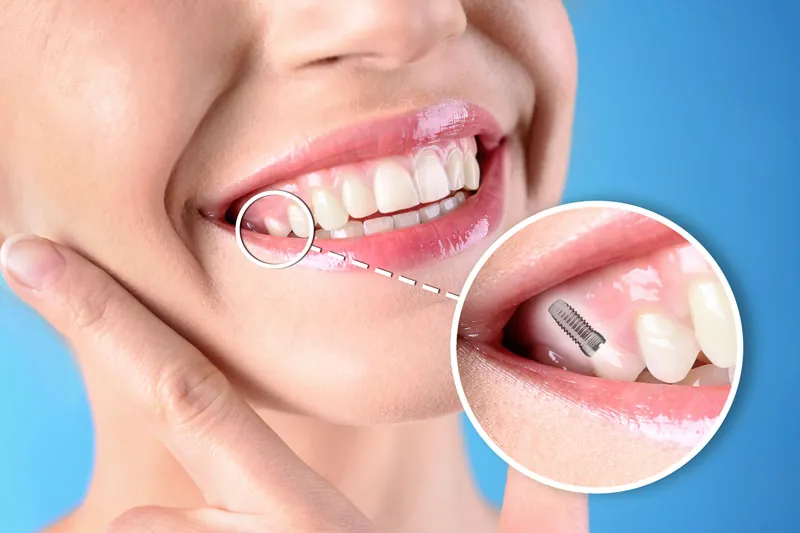
Many adults in the United Kingdom face the challenge of missing teeth, often due to accidents, gum disease, or long-term neglect of oral health. While there are well-known solutions like removable dentures or dental bridges, these traditional methods can sometimes cause discomfort and ongoing inconvenience. Across London, a growing number of patients have been exploring an alternative option: permanent teeth replacement. This approach, widely recognised for its ability to restore both function and aesthetics, has quietly become the city’s best kept secret for achieving a confident, healthy smile.
According to Dr. Sahil Patel of Marylebone Smile Clinic, “Choosing permanent replacement solutions for missing teeth can significantly improve one’s oral health and self-esteem. Our clinic’s dental implants give individuals a stable foundation for artificial teeth that look and feel natural.” This specialist insight highlights how implant-based treatment is transforming the lives of countless Londoners by providing a secure, lasting option for those who have lost one or more teeth.
One reason for this growing popularity is the unwavering desire for a complete and functional smile. Beyond the obvious boost to confidence, permanent replacements help maintain the structural integrity of the jaw, reduce bone loss, and support overall facial shape. As more people learn about the sophistication and reliability of this procedure, local clinics specialising in dental implants have seen a surge of interest from residents seeking an outcome that dentures or bridges alone may not fully achieve. With help from a cosmetic dentist London residents trust, the route to a renewed smile becomes both efficient and straightforward.
The purpose of this article is to illuminate how permanent teeth replacement has quietly become a top choice in Britain’s capital, providing tangible benefits to everyday individuals who want lasting solutions for missing teeth. This rising trend showcases the forward-thinking nature of modern dentistry, as specialists refine techniques to deliver stable, long-lasting results.
Why Many Turn to Permanent Teeth Replacement
Even just a few years ago, many people accepted missing teeth or resigned themselves to less reliable appliances. Dentures, for instance, can cause friction against the gums, leading to discomfort or even sores, and they can slip during moments of laughter, speech, or eating. Bridges, although effective for replacing one or two missing teeth, require surrounding teeth to be filed down and crowned. This preparation can compromise the integrity of healthy teeth and may still fall short when it comes to preventing bone loss over time.
As dentistry progresses, the realisation has spread that a missing tooth does not have to mean permanent compromise. Dental implants, a vital component of permanent replacement solutions, are placed into the jawbone where they fuse naturally over time. This process, known as osseointegration, helps to stabilise the implant and provides a robust foundation for crowns, bridges, or even full-arch restorations. By choosing a specialist who has experience with implant dentistry, individuals can look forward to a future where discomfort and self-consciousness no longer rule their daily routines.
Evolving Public Awareness in London
London is a city known for innovation and trendsetting, and the sphere of dental care is no exception. As word spreads of the advantages associated with permanent teeth replacement, more people are scheduling consultations to learn about their eligibility. From young adults missing a single tooth to older residents requiring multiple teeth replacements, the emphasis is increasingly on creating a solution that blends seamlessly with existing teeth while preventing further oral health issues.
It helps that many clinics in the city are run by teams who stay abreast of global dentistry breakthroughs. Patients can easily find a cosmetic dentist London locals recommend for a thorough discussion of implant suitability, financing, and post-operative care. Interestingly, it is not merely about technology. Many dentists have adopted patient-focused approaches that prioritise education and transparency, ensuring individuals understand the timeline, risks, and long-term requirements of permanent replacements before making a decision.
Key Benefits for Oral Health
Permanent teeth replacements go beyond mere aesthetics. When one or more teeth are lost, the jawbone underneath can start to recede since it no longer receives the stimulation that a natural tooth root would provide. Over time, this bone loss might affect neighbouring teeth, potentially leading to further complications. By placing a dental implant directly in the jaw, the bite can be preserved while also preventing erosion and changes to the facial structure.
Furthermore, implants reduce the likelihood of shifting teeth. A single gap can cause adjacent teeth to drift, leading to misalignment and even changes in bite pressure. Such shifts could increase the risk of complications like TMJ (temporomandibular joint) disorders or recurring jaw pain. With a permanent replacement that fills the gap in harmony with the rest of the dental arch, there is less strain on the surrounding teeth and supporting tissues.
Patients also appreciate that permanent replacements are not susceptible to decay in the same way natural teeth are, although they do require consistent hygiene. Regular brushing, flossing, and check-ups remain essential to avoid gum-related problems that could compromise the longevity of an implant.
Advancements in Implant Technology
One of the reasons permanent teeth replacement is such a well-kept secret is the dazzling array of implant options now available. Over several decades, implant materials have improved, with titanium being the gold standard for its ability to integrate seamlessly with human bone. Ceramics, which offer a metal-free alternative, have also emerged for those who prefer a particular aesthetic or have certain sensitivities.
Various surface treatments have been developed to speed up healing and promote better integration. Some implant systems use textured coatings designed to encourage cells to bond more readily, while others might incorporate antibacterial coatings or modified thread designs for greater stability. At the same time, 3D imaging and virtual planning software help dentists map out implants with precision. By simulating the patient’s jaw on a computer, specialists can gauge which implant type, size, and position will yield the best results.
This digital revolution in dentistry contributes to more predictable outcomes and has significantly shortened recovery times. With refined keyhole surgical techniques and guided implant placement, fewer incisions may be needed, leading to reduced post-operative discomfort. Patients often find themselves back to their normal routines sooner than they initially anticipated.
Overcoming Common Concerns
Despite the promise of permanent solutions, some individuals worry about the potential pain or downtime associated with placing implants. In reality, implant surgery generally involves only mild to moderate discomfort. A local anaesthetic and, in some cases, conscious sedation keep the patient relaxed, while careful planning reduces the invasiveness of the procedure. Any post-surgical pain can often be managed through over-the-counter medications, and most patients can resume work and daily tasks after a short rest period.
There is also the question of affordability. True, implants may initially cost more than conventional bridges or dentures. Yet many people weigh this against the long-term benefits, particularly the durability of implants and their ability to help maintain jawbone health. By considering how much one would spend on realigning surrounding teeth, replacing ill-fitting dentures, or dealing with complications that arise from less stable alternatives, permanent implants can appear to be a more cost-effective option in the long run. Flexible payment plans are commonly offered, allowing patients to budget more effectively for their treatment.
Choosing the Right Specialist
London’s vast network of dental professionals can make it challenging to know where to turn. Seeking an implant specialist with a proven track record is vital, as is ensuring you feel comfortable with the clinic’s approach. A reputable provider will likely have examples of previous work and testimonials from satisfied patients, as well as formal qualifications in restorative or implant dentistry.
It is often recommended to undergo an in-depth consultation before proceeding. The specialist will examine the patient’s teeth, jaw structure, and oral health history, possibly using X-rays or CT scans to confirm the availability of sufficient bone. Those with underlying conditions such as gum disease may require preliminary treatments like root planing or bone grafting to create a stable base. As a result, a single implant journey can vary significantly from one patient to the next.
The Role of Cosmetic Principles
Beyond functionality, the art of aesthetics plays a central role in implant-based solutions. London clinics pride themselves on balancing form with function to produce results that look indistinguishable from natural teeth. Careful shade matching and the use of high-quality ceramic or porcelain crowns help the replacement blend in seamlessly with a patient’s existing smile.
From the curvature of the arch to the texture of the tooth’s surface, modern methods allow for a personalised approach that accounts for each person’s unique facial proportions and desired outcome. In many cases, individuals who once felt self-conscious about their appearance find that well-crafted implants become virtually impossible to detect.
Long-Term Maintenance and Aftercare
Even though implants are a long-term solution, regular maintenance is still crucial. Maintaining proper dental hygiene helps avoid problems like peri-implantitis, an inflammatory disease that, if left untreated, can cause bone loss surrounding the implant. The majority of people follow a regimen that is comparable to that of keeping real teeth, which includes brushing and flossing twice a day. To more efficiently reach the regions surrounding the implant, some experts can additionally advise utilising interdental brushes or speciality floss.
Regular check-ups allow the dentist to monitor the condition of both the implant and the surrounding gum tissue, making prompt interventions possible if any issues arise. While implants are not susceptible to cavities, the rest of the mouth still can be, so it is important to guard against plaque buildup and gum disease through consistent self-care.
Maintaining an implant involves a partnership between patient and professional. Beyond daily routines, many London clinics offer in-depth cleaning or scaling appointments for those who want to protect their investment. By ensuring implants remain free of tartar and harmful bacteria, their lifespan can be maximised, often lasting well over a decade with the right attention.
Who Stands to Benefit
Permanent teeth replacement is suitable for a broad spectrum of individuals. Someone who has suffered trauma, leading to the loss of a single tooth, can regain a normal bite and aesthetic with a single implant and a bespoke crown. Alternatively, those with multiple missing teeth could benefit from implant-supported bridges or, if several teeth are gone, a full-arch replacement that anchors a complete set of artificial teeth onto only a few implants. This is sometimes referred to as an “All-on-4” or “All-on-6” approach, depending on how many implants are used for support.
In some cases, patients who have worn dentures for years turn to implants to alleviate recurring problems with slipping or clicking. Implants can be used either to stabilise existing dentures or entirely replace them with a fixed alternative. For many, the immediate sense of stability when speaking and eating is a dramatic improvement on the unpredictability of a removable appliance.
Addressing Anxiety and Building Confidence
Dental anxiety is a real concern for numerous patients, regardless of the treatment. The idea of a surgical procedure may induce unease, even though modern implant methods are fine-tuned for comfort. London clinics that focus on patient welfare often provide a calm environment, offering sedation or relaxation techniques to those who struggle with nerves. This empathetic approach can be especially helpful for individuals who have long delayed treatment.
Once the patient realises that the initial discomfort is generally minimal and short-lived, confidence in the process grows significantly. Overcoming this hurdle can be life-changing: individuals find themselves smiling more readily, socialising without fear of embarrassment, and enjoying foods that were once off-limits due to missing teeth or ill-fitting dentures.
How Permanent Teeth Replacement Improves Quality of Life
From improved speech to the ability to bite into crisp foods confidently, the advantages of permanent replacements go far beyond cosmetic considerations. A complete set of teeth facilitates a balanced diet, which in turn supports overall health and wellbeing. No longer are patients forced to avoid certain textures or flavours for fear their dentures will slip or break.
People often report feeling younger, as their face maintains a fuller, more natural shape without the sagging that can arise when the jawbone recedes. Moreover, reaping the benefits of a stable bite contributes to better digestion, enabling a more thorough chewing process. Even a person’s social life may see a boost, as they reclaim the ability to laugh, talk, and dine with others without a second thought.
In a city like London, where meeting new people and attending networking events is commonplace, having a healthy set of teeth can enhance self-assurance. Feeling at ease while chatting or pitching ideas can translate into improved work performance and positive relationships, both professional and personal.
Dispelling Myths Around Implants
Some people hesitate, assuming that implants are only for the wealthy or that they are just cosmetic. In reality, these procedures can be designed to accommodate a wide range of budgets. While the initial outlay might be higher than other methods, many clinics spread costs through payment plans, and the long lifespan of implants often means fewer repair or replacement costs over time.
Another misconception is that implants are purely for appearances. While they undoubtedly create a pleasing aesthetic, they serve an equally important functional purpose by preventing shifting of teeth, preserving bone density, and supporting better chewing. Because they are anchored in the jaw, they provide a solution closer to what nature intended.
For those worried about age restrictions, implants can be suitable for older adults, provided their jaw health is adequate. Thorough examinations ensure that bone density is sufficient. If not, procedures like bone grafts or sinus lifts may become part of the conversation. Younger individuals, however, typically need to wait until jaw growth is complete before undergoing implantation.
Timing and Recovery
The timeline for receiving implants can vary. In certain cases, a patient might qualify for immediate implants if the conditions in the jaw are favourable. This might allow a temporary restoration to be placed on the same day. However, many treatments involve a healing period of a few months after implant placement to ensure proper integration before the final crown or bridge is fitted.
During recovery, it is critical to follow the instructions given by the dentist, which may include eating softer foods for a short period. Most people return to daily activities quickly, sometimes even within a day or two. By attending follow-up appointments, patients can confirm their healing is on track and transition smoothly to the final restoration phase.
Longevity and Reliability
Dental implants are often touted for their potential to last a lifetime. While success rates vary based on individual health and how well implants are looked after, they consistently demonstrate a high degree of reliability. Studies regularly cite success rates exceeding 95% over a decade or more. This is partly due to the biocompatible materials used and partly due to patients becoming more vigilant about oral hygiene.
For anyone who has endured repeated denture relining or the ongoing worry about a bridge’s lifespan, implants represent a refreshing change. They do not rely on adjacent teeth for support, which also helps protect the overall structure of the mouth. Because of these long-term advantages, permanent teeth replacement in London has quietly become the preferred choice for individuals eager to secure their oral health for years to come.
The Influence of Lifestyle Factors
Smoking, excessive alcohol consumption, and poor oral hygiene can all interfere with the success of implants. Smoking, in particular, compromises blood flow to the gums, which can hinder healing. Dentists often encourage patients to moderate these habits for optimal results, or in some cases, to give up smoking entirely before and after the surgery to enhance implant survival rates.
Similarly, individuals with medical conditions such as diabetes should ensure their condition is well-managed before proceeding. High blood sugar can make healing more challenging. However, with guidance from both a medical professional and a dentist, many people living with diabetes have successfully received implants and maintained them over the long term.
Refining Your Smile Over Time
Occasionally, a patient might request aesthetic refinements after the implant has integrated. For example, if the gum line could be improved for a more symmetrical look, gum contouring techniques may be applied. Dentists focusing on cosmetic solutions understand that a patient’s perception of their smile can evolve, and they aim to accommodate such changes where feasible.
Such personalised touches underscore the “secret” appeal of permanent replacements in the capital. Not only do they restore functionality, but they also open the door to a customised smile that mirrors the patient’s goals. This dual benefit reinforces why so many are opting for implants as the ultimate pathway to a complete set of teeth.
Working with a Cosmetic Dentist London Offers
Those seeking a transformative solution often discover that working with a cosmetic dentist London is known for can significantly enhance their journey. A skilled practitioner can harmonise restorative and aesthetic elements, ensuring that the resulting teeth have both natural colour and shape. This tailored approach aligns with London’s reputation for high standards in professional services.
Communication between dentist and patient is a key element. By discussing personal preferences early—such as tooth shade or shape—patients can feel confident that their restored smile will meet their expectations. The provision of before-and-after photos can also be useful, offering a realistic glimpse into what is possible.
What to Expect at the Initial Consultation
Most implant processes begin with a comprehensive evaluation. The dentist will study your medical and dental history, potentially take X-rays or 3D scans, and talk through your smile goals. Any signs of gum disease, tooth decay, or bone density issues will need addressing before the implant can be placed. By identifying these factors early, the dentist ensures each patient’s mouth is fully prepared, which in turn maximises the likelihood of a positive outcome.
In some instances, if bone grafting or sinus lifts are required, the practitioner will explain how these preliminary procedures can strengthen the jawbone. While they add additional steps and recovery time, they are an important consideration for ensuring the implants fuse properly. Once the dentist confirms you are a suitable candidate, the placement phase can be scheduled, followed by a temporary restoration if needed.
Shining a Light on Post-Treatment Life
After the final crown or restoration is fitted, many patients express surprise at how normal their new teeth feel. The slight tenderness or swelling from the initial placement subsides, and the implant starts to function just like a natural tooth. Biting into a crisp apple or enjoying foods once avoided becomes a simple pleasure. Equally, the psychological benefit of not having to worry about gaps or slipping dentures can be a transformative experience.
Routine dental appointments remain as crucial as ever. These check-ups ensure the implant and surrounding gums stay healthy. Regular cleaning, possibly including professional scaling, helps prolong the life of the replacement. For those who had poor oral hygiene habits in the past, the investment made in implants frequently motivates them to adopt a more diligent routine—further boosting the longevity of their new teeth.
Transforming Smiles, Transforming Lives
Over time, permanent teeth replacement has quietly emerged as a game-changer in British dentistry. In a city as vibrant and diverse as London, the ability to tailor solutions to each individual ensures that every patient can find a path to restoring their smile. With improved appearance, function, and overall health, implants are an increasingly popular route for those seeking something more comprehensive than temporary fixes.
Though it may seem like a high-end procedure, the adoption of payment plans and evolving techniques has made it more attainable for a broader population. Individuals who had never considered implants because of cost or complexity are taking a second look. Countless success stories show that even those with long-term dental challenges can ultimately achieve stable, attractive results.
A Look Ahead
As innovation continues, the realm of permanent teeth replacement will undoubtedly see further refinements. Novel biomaterials, more efficient surgical protocols, and enhanced digital planning are likely to make implants even more accessible. London’s dental community is positioned at the forefront of these developments, offering residents cutting-edge treatment that dovetails with a patient-centred ethos.
While the secret may have been quietly circulating, the results are increasingly visible in the confident smiles of those who have embraced this approach. From a straightforward single-tooth replacement to a full-mouth rehabilitation, permanent solutions are redefining oral care for countless individuals who refuse to let missing teeth dictate their quality of life.
Final Thoughts
Permanent teeth replacement is no longer an exclusive privilege for a select few. Driven by advancements in technique, materials, and patient-focused care, the process has earned its status as London’s best kept secret for renewing oral health. The stable fit, natural appearance, and longevity of implant-supported restorations offer a compelling alternative to traditional dentures or bridges. Despite the initial expense, many find it a worthwhile investment in comfort, functionality, and confidence.
From comprehensive consultations to smooth surgical procedures and thorough aftercare, the capital’s leading clinics are ushering in a new era of dental excellence. With the guidance of a cosmetic dentist London residents respect, individuals can discover an enduring solution to tooth loss—one that not only rebuilds smiles but also fosters lasting oral wellbeing. In a bustling metropolis like London, permanent teeth replacement stands as a beacon of modern dental ingenuity, ready to give anyone a chance to greet the world with renewed self-assurance.