

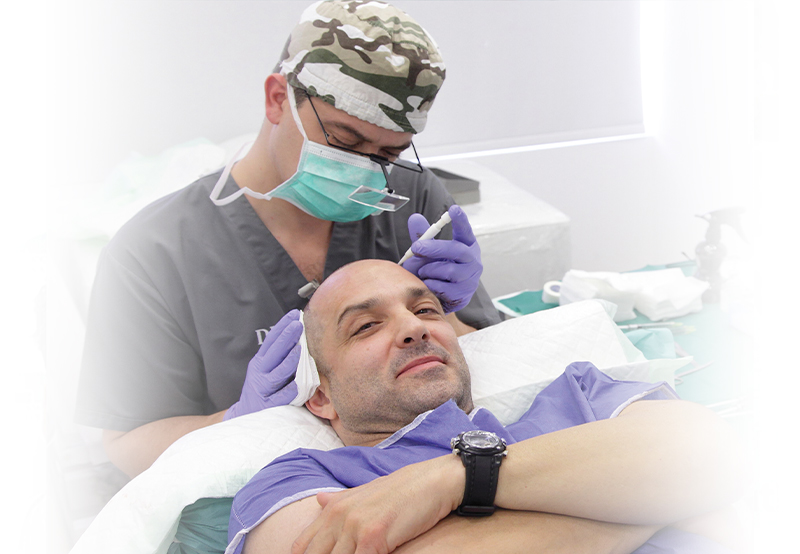
Hair transplantation involves much more than extracting follicles and placing them somewhere else. When selecting an FUE hair transplantation clinic, patients should understand how donor management, hairline design, graft handling and long-term hair-loss planning influence the eventual result.
Donor Hair Needs To Be Used Carefully
In follicular unit extraction, individual follicular units are removed from the donor area rather than taking a strip of scalp. This can leave small extraction sites spread across the donor region, but that does not mean unlimited grafts can safely be removed.
Over-harvesting can leave the donor area looking thin or uneven. The practitioner therefore needs to consider donor density, hair characteristics and whether the patient may need additional treatment in the future. Extracting the largest possible number of grafts in one session is not automatically the best strategy.
Patients should ask how the clinic estimates safe donor capacity and how extraction sites are distributed. The appearance of the donor area after healing is part of the overall cosmetic result and should be planned with the same care as the recipient area.
Hairline Design Should Still Look Appropriate Years Later
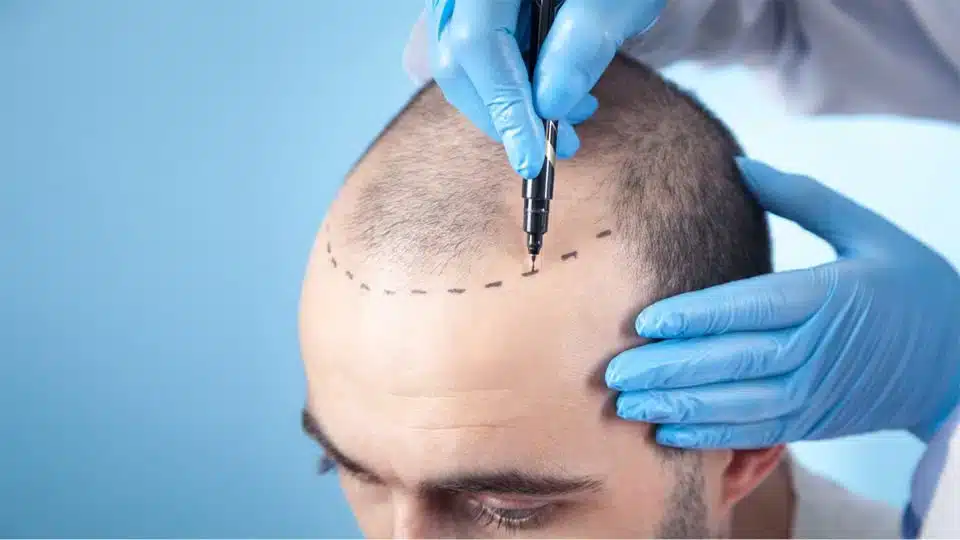
A natural-looking hairline is not perfectly straight or identical on both sides. It should reflect the patient’s facial proportions, age and likely pattern of future hair loss.
This is where long-term judgement matters. A very low hairline may seem attractive initially, but it requires more grafts and may become difficult to maintain if thinning progresses behind it. A slightly more conservative position can often provide stronger coverage while preserving donor hair for later.
Density also needs realistic planning. Transplanted hair cannot always recreate the exact density someone had as a teenager. Strategic placement can create the appearance of greater fullness, particularly when graft direction and distribution are handled carefully.
Graft Handling Can Affect The Procedure
Once follicles have been extracted, they need to be handled carefully before implantation. The surgical team’s process, organisation and experience therefore matter alongside the extraction method itself.
Placement angle and direction are particularly important. Hair should grow in a pattern that blends with neighbouring follicles. Poorly angled grafts can look unnatural even if the survival rate is good.
The patient should also understand who carries out the different stages of the procedure. The surgeon’s role, technicians’ involvement and clinical supervision should be explained clearly before treatment begins.
This gives the patient a much better idea of what they are actually comparing between clinics.
Results Require Patience
A transplant does not create a finished hairstyle on the day of surgery. Initial transplanted hairs may shed, and new growth takes time. The clinic should explain the expected stages so patients do not become unnecessarily concerned during normal recovery.
Post-operative instructions are equally important. Scalp care, sleeping position, exercise, sun exposure and washing may all require temporary adjustments. Following those instructions helps protect the early healing process.
FUE can be an appropriate approach for suitable patients, but the technique alone does not determine the quality of the result. Careful donor planning, sensible hairline design and experienced graft placement are what turn a surgical method into a convincing long-term outcome.
