

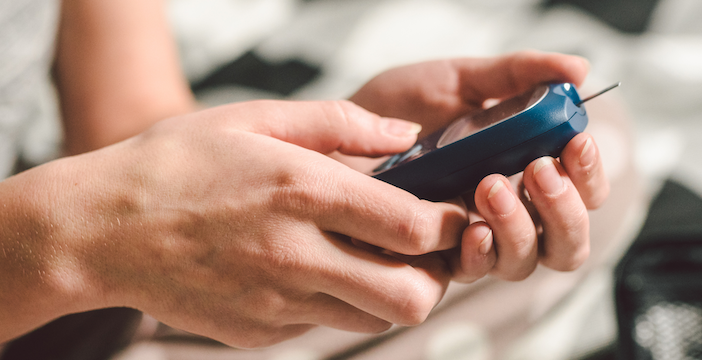
Waking up to an unexpectedly high blood sugar reading is one of the most frustrating experiences in diabetes management. You went to bed with your levels in a safe, predictable range, you did not raid the refrigerator at midnight, and you followed your evening routine to the letter. Yet, the moment your feet hit the floor, your glucometer or continuous glucose monitor delivers a number that looks like you spent the night eating cake.
This phenomenon is remarkably common, but that does not make it any less baffling. Morning fasting numbers serve as the baseline for your entire day, influencing your mood, energy, and insulin sensitivity for hours afterward. When that baseline is elevated, it often feels like you are starting every morning at a distinct disadvantage.
Understanding why morning spikes happen requires looking under the hood of your body’s overnight metabolic processes. Fasting hyperglycemia is rarely random. It is almost always driven by specific hormonal shifts, medication dynamics, or digestive patterns that take place while you sleep.
The Dawn Phenomenon: Your Body’s Natural Wake-Up Call
The most frequent culprit behind morning highs is a natural physiological process known as the dawn phenomenon. Every human being experiences this to some degree, whether they have diabetes or not.
Between approximately 3:00 AM and 8:00 AM, your body prepares itself to wake up. To transition you from deep sleep to active wakefulness, your endocrine system releases a surge of counter-regulatory hormones, primarily cortisol, growth hormone, glucagon, and epinephrine.
These hormones act as a chemical alarm clock. They signal your liver to kick into gear through two distinct processes:
-
Glycogenolysis: Breaking down stored glycogen into readily usable glucose.
-
Gluconeogenesis: Synthesizing fresh glucose from amino acids and other metabolic byproducts.
The liver dumps this newly mobilized sugar straight into the bloodstream to ensure your brain and muscles have adequate fuel the moment you open your eyes. In a person without diabetes, the pancreas responds immediately by secreting a matching pulse of insulin, keeping blood sugar perfectly stable.
If you have type 1 diabetes, your body cannot produce that compensatory insulin. If you have type 2 diabetes or significant insulin resistance, your cells cannot absorb the released glucose efficiently, and your pancreas cannot produce enough extra insulin to overcome the hormonal resistance caused by cortisol and growth hormone. The result is a steep, steady climb in circulating glucose that peaks right around the time you get out of bed.
The Somogyi Effect: The Rebound High
While the dawn phenomenon involves a steady rise, the Somogyi effect (also referred to as rebound hyperglycemia) is an overreaction to an unseen crisis.
Named after the chemist Michael Somogyi, this pattern begins with an undetected drop in blood sugar during the middle of the night, typically between 1:00 AM and 3:00 AM. When blood sugar drops too low, the brain recognizes an emergency. In response, the adrenal glands and liver unleash a massive surge of stress hormones to pull you out of hypoglycemia.
This rescue surge triggers a rapid dump of emergency glucose from the liver. By the time you wake up and check your levels, the dangerous low has passed, but the circulating rescue sugar has driven your readings sky-high.
Recognizing the Somogyi effect is crucial because it presents with specific subtle clues:
-
Waking up with a dull, persistent headache
-
Soaked sheets or clothing from nocturnal night sweats
-
Unusually vivid dreams, nightmares, or restless, fragmented sleep
-
A feeling of mental fog or mild exhaustion upon rising
Dawn Phenomenon vs. Somogyi Effect: How to Spot the Difference
Treating morning spikes requires knowing which of these two mechanisms you are dealing with. Treating the wrong one can worsen your glycemic control. If you mistakenly assume a Somogyi rebound is the dawn phenomenon and increase your evening medication, you risk driving your middle-of-the-night numbers dangerously lower.
The only definitive way to differentiate between the two is to gather data during the critical overnight window.
Set an alarm for 2:30 AM or 3:00 AM for three or four consecutive nights, and check your blood sugar with a traditional fingerstick, or examine your continuous glucose monitor trend line during those hours:
-
If your blood sugar is low (generally below 70 mg/dL) at 3:00 AM and high in the morning, you are likely dealing with the Somogyi effect.
-
If your blood sugar is normal or elevated at 3:00 AM and continues climbing toward morning, you are experiencing the dawn phenomenon.
Sharing this overnight trend data with your doctor provides the exact roadmap needed to tailor your evening care.
Waning Insulin and Medication Timing
Not all morning elevations stem from dramatic hormone surges. Frequently, the issue is simply mechanical: your evening medication runs out of steam before you wake up.
Different medications have distinct durations of action. Long-acting basal insulins are designed to provide steady, flat coverage, but individual metabolic rates vary significantly:
Basal Insulin Cleared Too Early
Some individuals clear certain once-daily basal insulins in 18 to 20 hours rather than the advertised 24 hours. If you inject your long-acting insulin in the morning, its coverage may drop off sharply between 4:00 AM and 7:00 AM, leaving your liver uninhibited just as your natural wake-up hormones begin circulating.
Evening Intermediate Insulins Peaking Prematurely
If you take intermediate-acting insulin (such as NPH) with dinner at 6:00 PM, its peak activity often lands between midnight and 2:00 AM, potentially inducing the Somogyi effect, while providing virtually no coverage by 6:00 AM.
Oral Agent Half-Lives
Oral medications that stimulate insulin release or inhibit hepatic glucose production can also taper off overnight if the dosage or administration schedule does not align with your sleep-wake cycle.
Dinner Composition and the Delayed Digestive Spike
What you eat for dinner plays a powerful role in what your meter displays eight to ten hours later. A common misconception is that dinner only impacts blood sugar for two to three hours after the meal. In reality, the macronutrient composition of your evening meal dictates the timeline of your digestion.
Meals heavy in refined carbohydrates cause an immediate, rapid spike that usually peaks within 90 minutes and clears well before midnight. However, meals that combine dense carbohydrates with high amounts of fat and protein—such as pizza, rich pasta dishes, Mexican cuisine, or barbecue—trigger a very different physiological response.
Fat significantly slows down gastric emptying. The stomach releases food into the small intestine at a measured trickle, delaying carbohydrate absorption by four to eight hours. Furthermore, excess dietary fat induces temporary, acute insulin resistance in liver and muscle cells overnight.
This combination produces a slow-burning glucose curve. You may go to bed with a completely normal reading of 110 mg/dL, only to have the delayed carbohydrates and elevated free fatty acids finally hit your bloodstream at 4:00 AM.
Sleep Apnea, Chronic Stress, and Nighttime Arousal
Your metabolic health is inseparable from your sleep architecture. When your sleep is broken, shallow, or chronically stressed, your endocrine system remains in a heightened state of alertness throughout the night.
Obstructive sleep apnea (OSA) is one of the most underdiagnosed drivers of morning hyperglycemia. Individuals with sleep apnea experience repeated collapses of the upper airway during sleep, causing blood oxygen levels to drop.
Each desaturation event triggers an involuntary survival reflex: the brain partially wakes the body to restore breathing, releasing a burst of adrenaline and cortisol. In severe, untreated cases, these mini-suffocation cycles occur dozens of times per hour.
This constant bath of nighttime stress hormones stimulates continuous liver glucose output and severely impairs insulin sensitivity. Many people who struggle for years with intractable morning spikes see their fasting numbers normalize simply by treating their sleep apnea with continuous positive airway pressure therapy.
Even without apnea, high evening stress, late-night screen exposure, and erratic bedtimes elevate evening cortisol. When cortisol remains high instead of dipping before bed, the liver never receives the chemical signal to dial back overnight glucose production.
Practical Steps to Stabilize Your Morning Numbers
Resolving fasting highs is rarely about making sweeping, drastic overhauls. Instead, it involves systematically testing and adjusting individual variables until your overnight profile flattens out.
Restructure Your Evening Plate
Shift the composition of your final meal toward lean proteins, high-fiber non-starchy vegetables, and complex carbohydrates with a low glycemic load. Keep high-fat, high-carb combination meals to occasional lunches rather than late-evening dinners. If you find yourself hungry before bed, skip carbohydrate-dense snacks in favor of a small portion of protein or healthy fat, such as a handful of walnuts or a hard-boiled egg, which stabilize blood sugar without demanding an insulin surge.
Add a Post-Dinner Walk
A gentle 15 to 20-minute walk shortly after dinner is one of the most effective non-pharmacological tools for curbing morning highs. Skeletal muscle contractions pull glucose directly from the bloodstream through non-insulin-dependent pathways. This clears circulating post-meal glucose and markedly improves peripheral insulin sensitivity throughout the entire night.
Move Your Dinner Earlier
Give your gastrointestinal tract a fighting chance to complete the bulk of digestion before you lie down. Eating dinner at least three to four hours before your head hits the pillow ensures that dinner-related glucose absorption is largely finished before your body enters its overnight fasting state.
Review Timing and Dosing with Your Provider
Never adjust your prescription medications in the dark. Bring several weeks of comprehensive data—including bedtime numbers, 3:00 AM checks, and wake-up readings—to your endocrinologist or primary care physician.
Your provider may recommend targeted solutions such as:
-
Splitting a once-daily basal insulin into two smaller doses taken 12 hours apart to eliminate coverage gaps.
-
Shifting an evening injection from dinnertime to immediately before bed.
-
Switching to an ultra-long-acting basal analog with a flatter, more predictable profile.
-
Adjusting bedtime insulin pump basal rates to deliver slightly more insulin during dawn phenomenon hours and less during the 2:00 AM dip.
High morning blood sugar is not a personal failure, nor does it mean your daily routine is falling apart. It is simply internal biology operating out of balance. By identifying whether your numbers reflect the dawn phenomenon, nocturnal lows, evening meals, or sleep quality, you can stop guessing in the dark and start waking up to steady, predictable readings.