

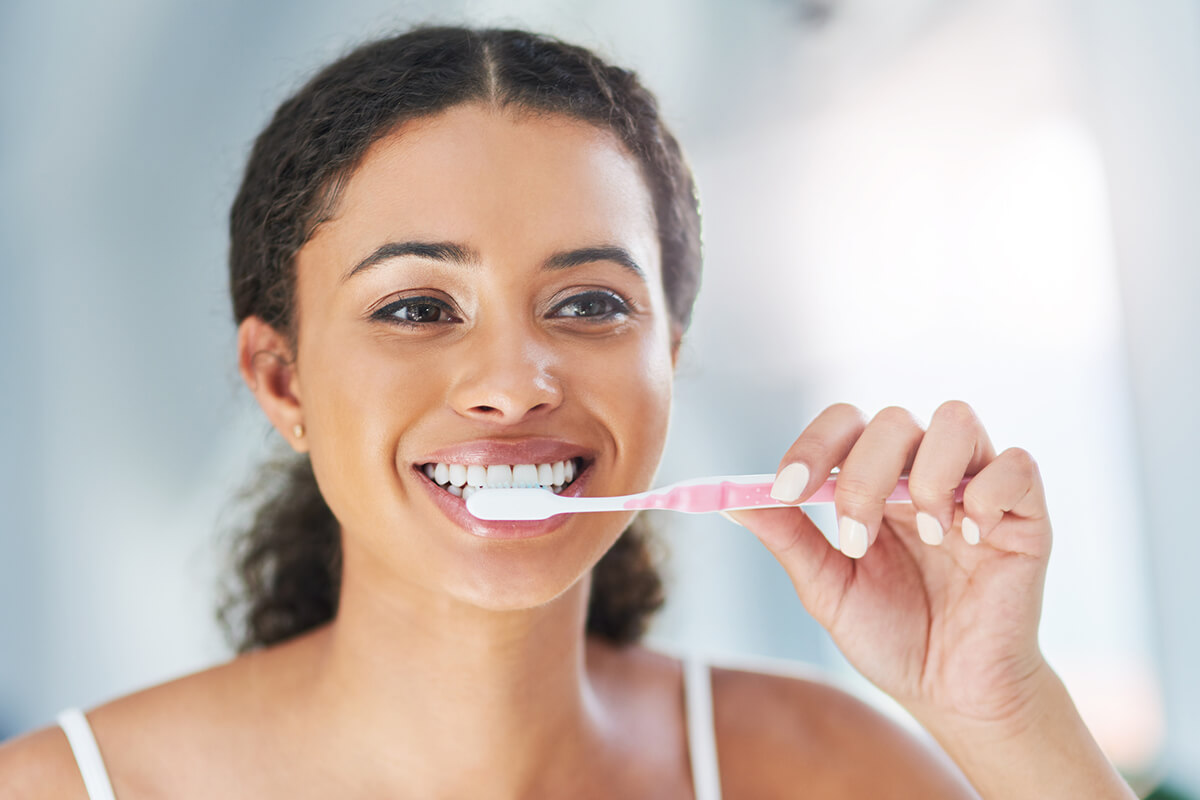
Individuals with sensitive teeth often experience discomfort when brushing, making the selection of an appropriate manual toothbrush crucial for effective oral care. The right toothbrush can alleviate pain, prevent further enamel wear, and promote overall dental health. Here’s a guide to help you choose the best manual toothbrush for sensitive teeth.
Key Features to Consider
1. Soft or Extra-Soft Bristles
Hard bristles can exacerbate tooth sensitivity by wearing down enamel and irritating gums. Opting for soft or extra-soft bristles ensures a gentle and effective clean, minimising discomfort. These bristles are designed to remove plaque without causing harm to sensitive areas.
2. Compact Brush Head
A smaller brush head allows for better maneuverability, enabling you to reach difficult areas, such as the back molars, without applying excessive pressure. This design is particularly beneficial for individuals with smaller mouths or those who require a precise brushing technique.
3. Ergonomic Handle
An ergonomically designed handle provides a comfortable grip, allowing for better control during brushing. This feature is especially important for individuals with limited dexterity, ensuring that they can brush effectively without straining their hands or wrists.
4. Angled or Multi-Level Bristles
To enhance cleaning efficiency, some toothbrushes feature angled or multi-level bristles that can better clean along the gum line and between teeth. This design helps in removing plaque and food particles from areas that are typically hard to reach, promoting overall oral hygiene.
5. Tongue and Cheek Cleaner
A toothbrush equipped with a tongue and cheek cleaner can help remove bacteria and debris from the mouth’s surfaces, contributing to fresher breath and improved oral health. This additional feature ensures a more comprehensive cleaning experience.
Additional Tips for Managing Tooth Sensitivity
- Brushing Technique:
Use gentle, circular motions rather than harsh back-and-forth scrubbing to reduce pressure on sensitive areas.
- Avoid Abrasive Toothpastes:
Choose toothpastes formulated for sensitive teeth, as they are less likely to irritate.
- Regular Replacement:
Replace your toothbrush every three months, or sooner if the bristles are frayed, to maintain effective cleaning and prevent bacterial buildup.
- Watch Your Diet:
Eating a balanced diet rich in calcium, phosphorus, and vitamins A, C, and D can strengthen teeth and gums, reducing sensitivity over time. Foods like leafy greens, dairy products, and nuts are particularly beneficial.
- Limit Acidic and Sugary Drinks:
Beverages such as soda, citrus juices, and energy drinks can erode enamel and increase sensitivity. When consumed, rinse your mouth with water afterwards to help neutralise acids.
- Stay Hydrated:
Drinking plenty of water (6-8 glasses per day) supports saliva production, which naturally protects and remineralises teeth.
- Avoid Excessive Grinding or Clenching:
Stress-related teeth grinding can wear down enamel and worsen sensitivity. Consider using a mouthguard if recommended by a dental professional.
Final Thoughts
Selecting the best toothbrush for sensitive teeth involves considering factors such as bristle softness, brush head size, handle design, and additional features like tongue cleaners. By focusing on these elements, you can find a toothbrush that provides a gentle and thorough clean, helping to alleviate discomfort associated with tooth sensitivity.
Remember, maintaining a consistent and proper brushing routine is key to managing and improving oral health.