

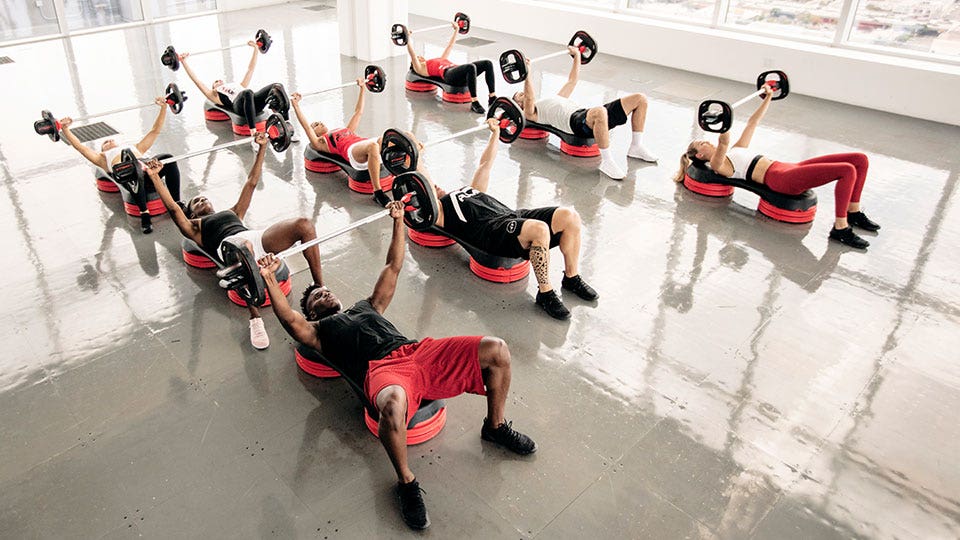
Why BODYPUMP Works So Well
Strength training has long been recognised as a foundation for health and fitness. Yet many people hesitate to step into a weights area because of intimidation, lack of knowledge, or fear of injury. This is where the bodypump class shines. The programme offers a structured approach to resistance training, supported by science, that delivers measurable results while remaining engaging.
Unlike traditional weightlifting, which often focuses on lifting heavy loads, BODYPUMP leverages lighter weights and higher repetitions. This combination creates a unique environment for muscular endurance, calorie expenditure, and overall body transformation. To understand why this approach is so effective, it helps to look at the science behind the workout.
The Physiology of the Rep Effect
At the core of BODYPUMP lies the “Rep Effect.” This principle explains why participants experience results from lighter weights and higher repetitions. Instead of focusing on sheer load, BODYPUMP uses volume to trigger adaptation.
-
Muscle fibre recruitment: By performing 70–100 repetitions per track, muscles are pushed to fatigue, recruiting both slow-twitch and fast-twitch fibres.
-
Time under tension: Muscles spend extended time contracting, creating metabolic stress that stimulates growth and endurance.
-
Neuromuscular coordination: Repeated movement patterns improve coordination, making strength gains more functional.
The Rep Effect ensures that participants achieve lean muscle definition without the bulk often associated with heavy lifting.
Energy Expenditure and Calorie Burn
BODYPUMP is not just about building strength. It is also a powerful calorie-burning workout. During a typical one-hour session, participants can burn anywhere from 400 to 600 calories, depending on body weight, intensity, and load selection.
This calorie expenditure is achieved through:
-
Compound movements: Squats, deadlifts, and presses recruit multiple large muscle groups, increasing energy demands.
-
Elevated heart rate: Continuous movement and minimal rest periods create a cardiovascular response, similar to circuit training.
-
Afterburn effect: Post-exercise oxygen consumption remains elevated, meaning the body continues burning calories after class.
The blend of strength and cardio benefits makes BODYPUMP an efficient option for those seeking fat loss and body composition improvements.
Hormonal and Metabolic Responses
Exercise triggers complex hormonal changes, and BODYPUMP is no exception. The repeated, high-rep format stimulates the release of several beneficial hormones:
-
Growth hormone: Encourages fat metabolism and supports muscle repair.
-
Endorphins: Improve mood, reduce stress, and enhance workout satisfaction.
-
Catecholamines: Increase energy availability by mobilising fat stores.
These hormonal responses contribute not only to physical changes but also to the psychological boost that keeps participants returning.
Adaptations in Muscle and Bone
Regular participation in BODYPUMP leads to more than just visible results. At the microscopic and systemic levels, the body adapts in remarkable ways.
Muscular adaptations
-
Increased mitochondrial density, improving energy production.
-
Greater capillary networks within muscles, supporting endurance.
-
Enhanced glycogen storage, allowing for longer performance at high intensity.
Skeletal adaptations
-
Resistance training improves bone mineral density, lowering the risk of osteoporosis.
-
Weight-bearing exercises like squats and lunges strengthen hips and spine.
These adaptations make BODYPUMP a valuable tool for long-term health, particularly in populations concerned about ageing and mobility.
Cardiovascular Benefits
Although primarily marketed as a strength-based class, BODYPUMP provides notable cardiovascular benefits. The continuous transitions between tracks, combined with high-repetition work, keep the heart rate elevated throughout the session.
Studies show that moderate to vigorous heart rate zones are maintained for significant portions of the class, improving aerobic capacity alongside strength. This dual benefit is one reason BODYPUMP remains attractive to individuals with limited time for training.
The Role of Music in Physiological Performance
Music in BODYPUMP is not simply background noise. It is carefully chosen to match exercise tempo and intensity, influencing both physical output and perceived exertion.
-
Tempo matching: Faster beats encourage quicker reps, aligning with class choreography.
-
Psychological drive: Music distracts from fatigue, allowing participants to push harder.
-
Consistency: Familiar tracks help participants pace themselves more effectively.
The integration of music is part of why BODYPUMP achieves such high levels of adherence compared to unsupervised gym sessions.
Practical Benefits for Different Groups
The science of BODYPUMP extends its value to diverse populations:
-
Beginners: A safe introduction to strength training without overwhelming loads.
-
Women: A format that promotes tone and strength while avoiding misconceptions about bulk.
-
Older adults: The lighter weights and scalable nature improve bone health and mobility.
-
Athletes: A complement to sport-specific training by enhancing endurance and injury prevention.
This adaptability ensures that classes remain inclusive, regardless of age or fitness background.
BODYPUMP at True Fitness Singapore
In Singapore’s bustling fitness environment, BODYPUMP has become a trusted programme for busy professionals and fitness enthusiasts alike. At True Fitness Singapore, the class is delivered with the same high standards as its global counterparts, offering a structured and motivating environment. The combination of science-based training, experienced instructors, and supportive community ensures participants achieve consistent results.
Nutrition and Recovery to Maximise Results
Scientific training requires equally thoughtful recovery. To support the demands of BODYPUMP, participants should focus on:
-
Adequate protein intake: Essential for muscle repair and growth.
-
Carbohydrate replenishment: Rebuilding glycogen stores after high-rep work.
-
Hydration: Supporting cardiovascular performance and recovery.
-
Sleep: Critical for hormone regulation and tissue repair.
Without recovery, even the best training cannot deliver optimal results.
The Ongoing Research Behind BODYPUMP
As fitness science continues to advance, programmes like BODYPUMP evolve to stay aligned with evidence. Research on metabolic cost, energy systems, and injury prevention informs how classes are designed. This ensures participants receive not just a motivating workout but one that is validated by science.
FAQs
Q. How is BODYPUMP different from traditional weightlifting?
Ans. Traditional weightlifting typically involves heavier weights and fewer repetitions to build maximum strength. BODYPUMP uses lighter weights and higher repetitions, focusing on endurance, tone, and calorie burn.
Q. Can I build muscle with BODYPUMP?
Ans. Yes. While it is not designed for maximum hypertrophy, regular participation builds lean muscle and strength, especially for beginners and intermediates.
Q. How many calories can I expect to burn in one class?
Ans. Most participants burn between 400 and 600 calories, depending on weight, effort, and chosen resistance.
Q. Is BODYPUMP safe for people with joint issues?
Ans. With proper form and lighter weights, BODYPUMP can be safe. It is recommended to consult a trainer for modifications to protect joints.
Q. Should I do BODYPUMP alone or combine it with other training?
Ans. BODYPUMP works well as part of a balanced programme. Adding flexibility training, cardio, or heavier lifting can create a more complete routine.
